

The Anatomy of a Criminal Mind: Understanding Thought, Behavior, and Choice
Crime often captures public attention in its most visible form—the act itself. But behind every criminal act lies something less visible and far more complex: the human mind. Understanding the anatomy of a criminal mind does not mean justifying wrongdoing. Rather, it allows us to examine how thought patterns, emotions, experiences, and choices converge to produce behavior that violates law and morality.
The criminal mind is not born fully formed. It develops through a combination of internal and external forces, shaped over time by environment, psychology, and decision-making.
Criminal Minds Are Not All the Same
One of the biggest misconceptions about criminals is that they all think alike. In reality, there is no single criminal mindset. Criminal behavior exists on a spectrum, influenced by different motivations and mental frameworks.
Some crimes are impulsive. Others are calculated. Some are driven by desperation, others by entitlement or power. Understanding this diversity is essential to understanding crime itself.
Core Psychological Components of a Criminal Mind
1. Distorted Thinking Patterns
At the center of many criminal minds is cognitive distortion—ways of thinking that justify or minimize harmful actions.
Common distortions include:
“Everyone does it.”
“I had no other choice.”
“They deserved it.”
“I won’t get caught.”
These thoughts reduce guilt and allow the individual to proceed without fully confronting the moral consequences of their actions.
2. Weak Internal Restraints
Most people feel internal resistance when faced with harming others—guilt, empathy, or fear of consequences. In many criminal minds, these restraints are weakened or overridden.
This may stem from:
Poor impulse control
Desensitization to harm
Repeated exposure to violence or wrongdoing
Lack of accountability during formative years
When internal brakes fail, behavior becomes more dangerous.
3. Emotional Dysregulation
Many crimes are committed not from logic, but from unmanaged emotion—anger, jealousy, fear, shame, or resentment.
A criminal mind may:
React explosively under stress
Use aggression to regain control
Seek revenge rather than resolution
Emotion, when unchecked by reason, can become a catalyst for crime.
The Role of Environment and Experience

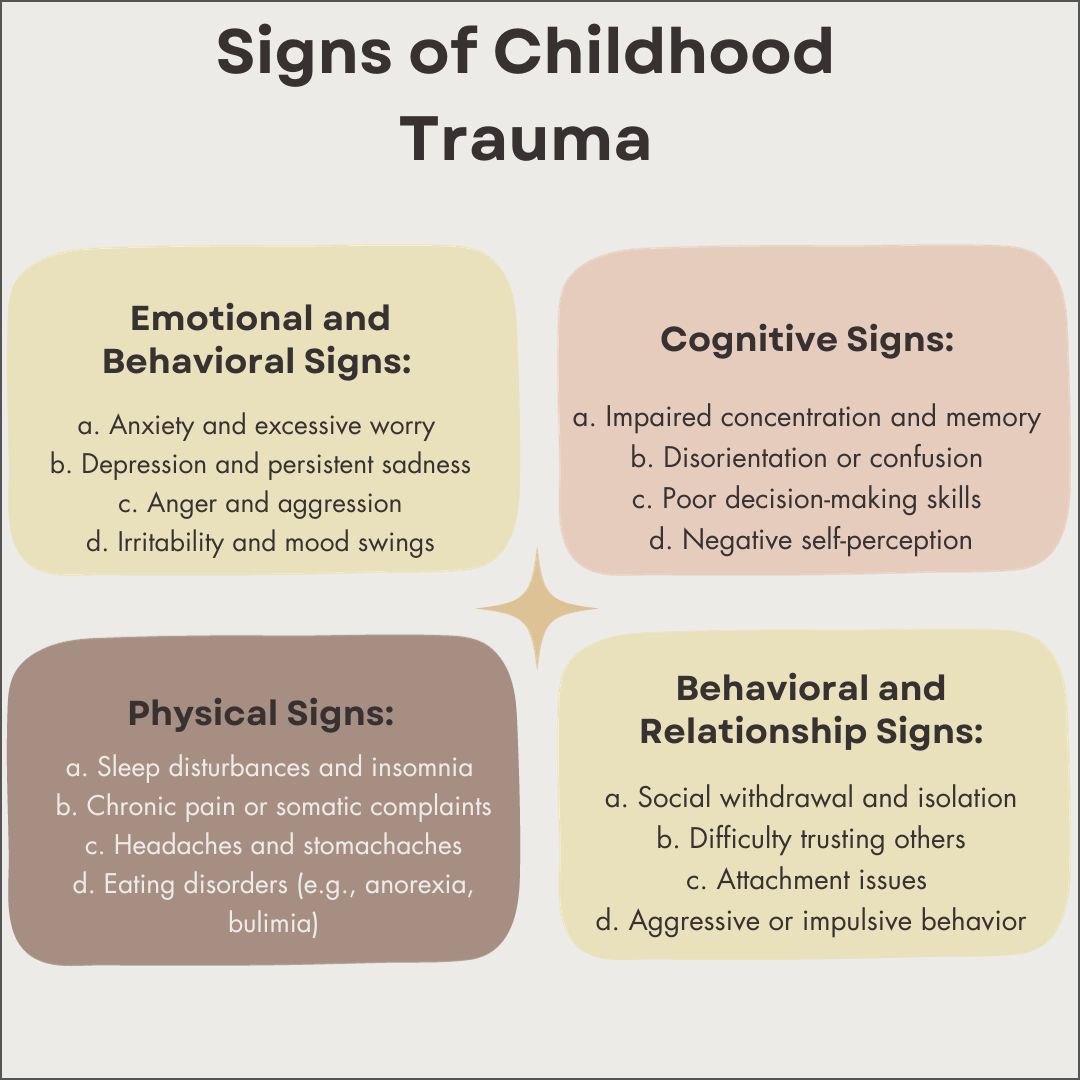

4. Early Life Influences
While not all criminals come from difficult backgrounds, early exposure to neglect, abuse, instability, or crime can shape a person’s perception of normal behavior.
When harmful behavior is normalized early:
Moral boundaries blur
Trust erodes
Survival replaces empathy
Environment does not excuse crime, but it often explains how certain mental frameworks develop.
5. Social Learning and Reinforcement
Criminal thinking can be learned. Peer groups, family systems, or communities that reward manipulation, violence, or dishonesty reinforce criminal behavior.
When wrongdoing leads to reward—money, respect, or power—it strengthens the belief that crime “works.”
Control, Power, and Identity
6. The Need for Control
Some criminal minds are driven by a desire to dominate situations or people. Crime becomes a way to assert power when the individual feels powerless elsewhere in life.
Control can provide:
A false sense of strength
Temporary relief from insecurity
Validation of self-worth
This need can escalate into more severe or repeated offenses.
7. Identity and Self-Justification
Over time, repeated criminal behavior can become part of identity. The individual may begin to see themselves as separate from society or above its rules.
Once crime becomes identity, reform becomes harder—because changing behavior would require changing self-concept.
Choice Still Matters
Understanding the anatomy of a criminal mind does not remove responsibility. Psychology explains behavior—it does not absolve it.
At the core of every criminal act is a choice:
A choice to act or refrain
A choice to harm or restrain
A choice to ignore or honor consequences
Even when circumstances are difficult, choice remains central to accountability.
Can Criminal Minds Change?
Yes—but change requires more than punishment.
True transformation often involves:
Accountability
Cognitive restructuring
Emotional regulation
Support systems
Purpose beyond crime
Without addressing the underlying mental patterns, behavior tends to repeat.
Final Reflection: Understanding Without Excusing
Studying the anatomy of a criminal mind is not about sympathy for crime—it is about clarity. When we understand how criminal thinking develops, we become better equipped to prevent crime, rehabilitate offenders, and protect society.
Crime begins in thought before it becomes action. By examining those thoughts honestly, we move closer to justice that is not only punitive—but informed, effective, and humane.

No comments:
Post a Comment