

Better Alternatives to Save Up for Yourself and Your Family
Saving money is no longer just about setting aside spare cash—it is about protecting your future, creating opportunities, and ensuring security for the people you love. In today’s uncertain world, relying on a single savings method is risky. Inflation, emergencies, health concerns, and unexpected life changes can quickly erode unplanned finances.
To truly save for yourself and your family, you need smart, flexible, and purpose-driven alternatives that balance safety, growth, and accessibility. This blog explores practical and effective saving options that go beyond the traditional piggy bank mindset and help you build long-term stability.
Why Traditional Saving Alone Is Not Enough
A basic savings account is important, but on its own, it often falls short. Interest rates are usually low, while the cost of living continues to rise. This means your money may lose value over time if it simply sits idle.
Better saving strategies focus on:
Protection (for emergencies and health)
Growth (to keep up with inflation)
Accessibility (when your family needs funds quickly)
Purpose (education, home, retirement, legacy)
Smart saving is about placing your money where it works for you.
Build a Strong Emergency Fund First
Before exploring advanced options, establish a solid emergency fund. This is non-negotiable.
Why it matters
An emergency fund protects your family from sudden crises such as medical bills, job loss, or urgent repairs. Without it, people often resort to loans or debt.
How to do it
Save at least 3–6 months of essential expenses
Keep it liquid and easily accessible
Separate it from daily spending money
This fund is not for wants—it is for peace of mind.
Smarter Alternatives for Saving and Growth



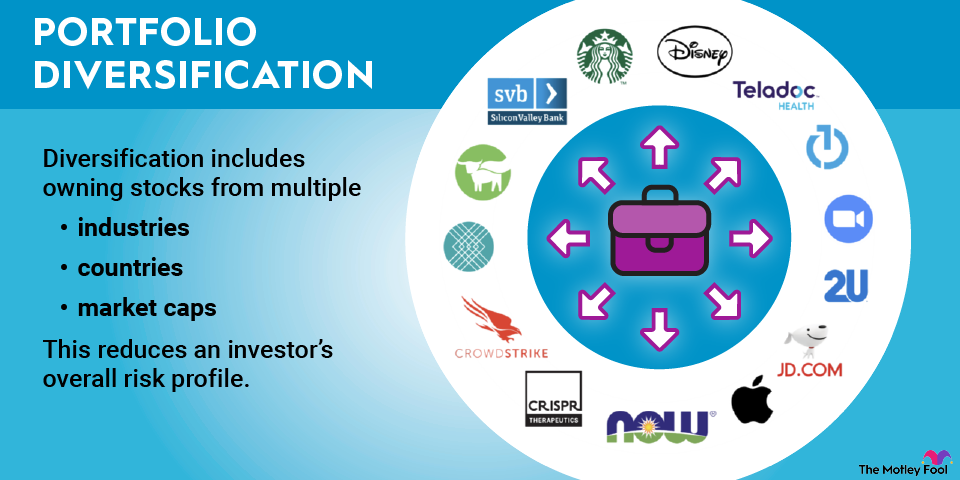
1. Goal-Based Savings Buckets
Instead of one general savings account, divide your savings into clear categories:
Education fund
Health fund
Housing or renovation fund
Travel or family milestones
This method keeps you disciplined and motivated. Each peso saved has a purpose, reducing the temptation to spend it impulsively.
2. High-Yield or Digital Savings Options
Modern savings platforms often offer higher interest rates than traditional accounts. While still relatively safe, they allow your money to grow faster without sacrificing accessibility.
Best for:
Short- to medium-term goals
Emergency fund storage
Parents who want flexibility
Always ensure these platforms are reputable and regulated.
3. Insurance with Savings or Investment Components
Life and health insurance are not expenses—they are financial shields for your family.
Some policies allow you to:
Build cash value over time
Protect dependents financially
Prepare for long-term needs
This is especially important for breadwinners. Saving while protecting your family is a powerful combination.
4. Education-Focused Saving Plans
If you have children, education planning should start early. Small, consistent contributions can grow significantly over time.
Benefits:
Reduces future financial pressure
Prevents debt for education
Gives children more choices later in life
Education savings are investments in opportunity, not just money.
5. Long-Term Investment-Based Savings
For long-term goals like retirement or wealth-building, savings that grow through investments offer better potential returns.
These may involve:
Diversified funds
Retirement-focused plans
Long-term disciplined contributions
While these come with some risk, time and consistency help manage volatility. The key is starting early and staying patient.
Family-Oriented Saving Habits That Matter
Save as a Team
Teach children and family members the value of saving. Even small habits—like setting aside allowances or budgeting together—build a culture of responsibility and foresight.
Automate Whenever Possible
Automatic transfers to savings reduce the temptation to skip contributions. Treat savings like a fixed bill you pay yourself first.
Review and Adjust Regularly
Life changes—so should your saving strategy. Review your goals annually or when major events happen (marriage, birth of a child, career changes).
Avoid Common Saving Mistakes
Saving without a clear goal
Ignoring inflation
Relying solely on one savings method
Delaying saving “until income increases”
The best time to save is always now, even if the amount feels small.
Saving Is an Act of Love and Responsibility
Saving for yourself and your family is not about fear—it is about care. It is about choosing stability over stress, preparation over panic, and intention over chance.
Better saving alternatives allow your money to grow, protect your loved ones, and support your dreams. With the right mix of discipline, planning, and smart choices, you create a future where your family is not just surviving—but secure, confident, and free to focus on what truly matters.
Your savings today are your family’s safety tomorrow.

No comments:
Post a Comment