
Being Useful in the Community: The Power of Showing Up Where You Are Needed
A strong community is not built by titles, wealth, or influence alone. It is built by people who choose to be useful—people who see a need and respond, who give their time, skills, and care without waiting to be asked. Being useful in the community is one of the most meaningful ways to live a life of purpose, because it improves not only the lives of others, but also your own.
Usefulness is not about being extraordinary. It is about being reliable, present, and willing.
What It Really Means to Be Useful
Being useful means contributing in ways that make life a little easier, safer, or better for others. It does not require perfection or expertise—only sincerity and effort.
A useful person:
Notices problems instead of ignoring them
Offers help without seeking recognition
Uses what they have, where they are
Thinks beyond personal convenience
Usefulness is practical kindness in action.
Why Communities Need Useful People
Communities face everyday challenges—limited resources, social tension, misinformation, loneliness, and unmet needs. Governments and institutions cannot solve everything alone. Progress often begins at the local level, through individuals who care enough to act.
When people are useful:
Trust grows
Cooperation improves
Problems are addressed earlier
Vulnerable members feel supported
A community becomes stronger not because it has everything, but because its people look out for one another.
Different Ways to Be Useful—No Special Title Required
1. Offer Your Time
Time is one of the most valuable resources you can give. Volunteering for community activities, local programs, clean-up drives, or neighborhood initiatives creates immediate impact.
Even a few hours a month can make a difference.
2. Share Your Skills
Everyone has something to offer:
Teaching or tutoring
Organizing events
Writing, designing, or communicating
Providing guidance or mentorship
When you use your skills for the benefit of others, you multiply their value.
3. Be a Reliable Presence
Sometimes usefulness looks simple:
Attending community meetings
Helping organize local efforts
Being someone others can count on
Reliability builds trust—and trust is the backbone of any strong community.
Everyday Usefulness Matters More Than Grand Gestures
4. Start with Small Acts
Holding space for a neighbor, helping someone understand a process, or checking in on the elderly may seem small, but these actions accumulate.
Communities are sustained by consistent, ordinary acts of care.
5. Be Approachable and Respectful
A useful person is someone others feel safe approaching. This means listening without judgment, speaking with respect, and treating everyone—regardless of status—with dignity.
Respect creates cooperation.
6. Be a Bridge, Not a Divider
Communities thrive when people help others connect:
Sharing accurate information
Encouraging dialogue instead of conflict
Bringing people together to solve problems
Being useful sometimes means calming tensions rather than escalating them.
Usefulness Also Builds You
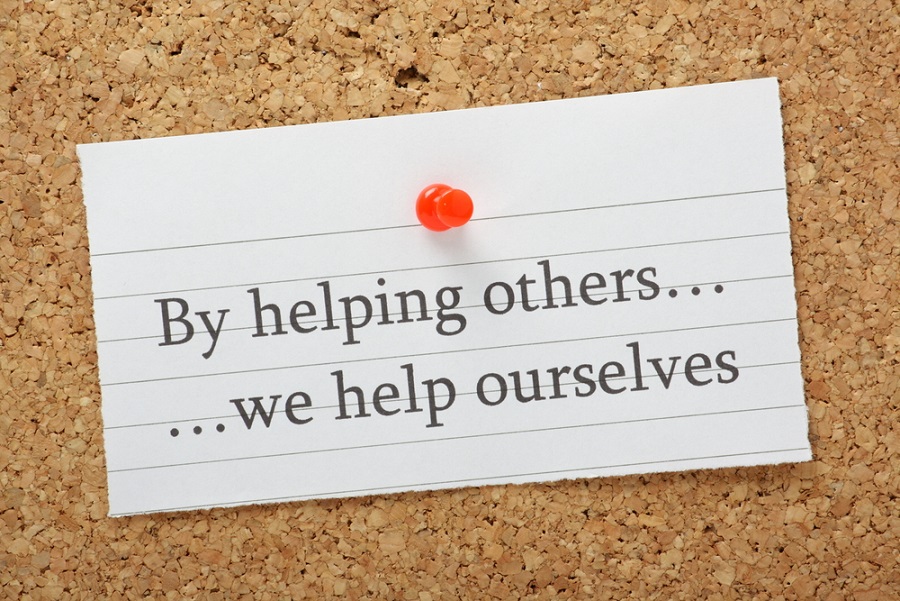

Helping your community is not self-sacrifice—it is mutual growth.
Being useful:
Strengthens your sense of purpose
Builds character and humility
Expands your perspective
Creates meaningful relationships
When you contribute, you realize you are part of something larger than yourself.
Overcoming the Fear of Getting Involved
Many people hesitate because they feel:
“I’m not qualified.”
“I don’t have enough time.”
“What if I make mistakes?”
The truth is, communities do not need perfect people. They need willing people. Mistakes can be corrected. Effort cannot be replaced.
Final Reflection: Be Useful Where You Are
You do not need to wait for the perfect role, the right moment, or formal recognition. Start where you are, with what you have, and do what you can.
A useful life is a meaningful life. And a community filled with useful people becomes a place where dignity, cooperation, and hope can grow.
In the end, being useful in the community is not about standing out—it is about standing with others, helping carry the weight of shared life, one small act at a time.

No comments:
Post a Comment