

Being Social So You May Help People: Connection as a Form of Service
Being social is often misunderstood as being loud, popular, or constantly surrounded by people. In truth, being social is about connection—the willingness to engage, listen, and be present with others. When used with intention, social skills become powerful tools not just for personal growth, but for helping people in meaningful ways.
Helping others does not always require wealth, authority, or expertise. Sometimes, it simply requires showing up and being human. This blog explores how being social allows you to serve others better, why connection matters, and how you can use your social presence to make a positive difference.
Why Being Social Matters When Helping Others
Many people struggle not because they lack solutions, but because they feel unseen, unheard, or isolated. Social connection bridges that gap.
When you are socially present:
People feel safe approaching you
Problems are shared before they become crises
Support becomes accessible
Trust is built naturally
Connection often opens the door before help can enter.
Social Skills as Tools for Service
1. Listening Is the First Act of Help
You cannot help what you do not understand. Active listening—listening without interrupting, judging, or rushing—allows people to feel validated.
Often, people don’t need advice immediately. They need to be heard. Your attention can be more healing than your words.
2. Presence Builds Trust
Being social does not mean having all the answers. It means being available—emotionally and mentally.
When people know you are genuinely present, they are more likely to open up. Trust grows not from perfection, but from consistency.
3. Communication Clarifies Needs
Clear and kind communication helps people express what they truly need. Sometimes, individuals struggle simply because they cannot articulate their thoughts or emotions.
By creating a safe conversational space, you help them find clarity—and clarity is empowering.
How Being Social Expands Your Ability to Help

4. You Become a Bridge Between People
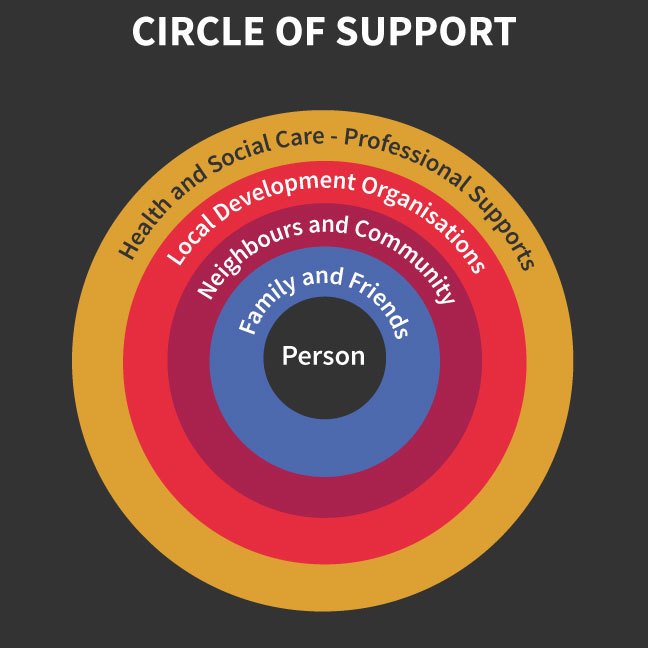
Social individuals often connect those who need help with those who can provide it. You may not solve the problem yourself, but you can point someone in the right direction.
Being a connector multiplies impact.
5. Awareness of Real Needs
When you engage with people regularly, you gain insight into real struggles—financial stress, emotional pain, lack of guidance, or isolation.
This awareness allows your help to be relevant, respectful, and effective rather than assumed or misplaced.
6. Small Interactions Create Big Impact
A conversation, a check-in message, a shared resource, or a simple introduction can change someone’s trajectory.
Helping does not always require grand gestures. Often, it begins with small acts of social courage.
Overcoming the Fear of Being Social
Not everyone is naturally outgoing, and that is okay. Being social is a skill, not a personality trait.
Start Small
Greet people sincerely
Ask thoughtful questions
Listen more than you speak
Authenticity matters more than confidence.
Be Curious, Not Impressive
People respond to genuine curiosity. When you focus on understanding others rather than performing socially, interactions become lighter and more meaningful.
Respect Boundaries
Helping does not mean intruding. Being socially aware includes knowing when to step back, when to speak, and when silence is the kindest response.
The Responsibility That Comes with Connection

When people trust you, your words carry weight. Use that influence responsibly:
Speak with kindness
Avoid gossip
Protect confidences
Offer help without ego
True service is grounded in humility.
Final Reflection: Connection Is a Quiet Form of Help
Being social is not about attention—it is about availability. It is about choosing connection over indifference, listening over assuming, and presence over distance.
In a world where many feel alone, your willingness to engage can be a lifeline. By being socially open, emotionally aware, and genuinely interested in others, you position yourself not just to succeed—but to serve.
Sometimes, the most powerful way to help people is simply this: be there, be human, and be willing to connect.

No comments:
Post a Comment